Recipe of Homemade All-Purpose Traditional Japanese Sauce (Dashi Soy Sauce)
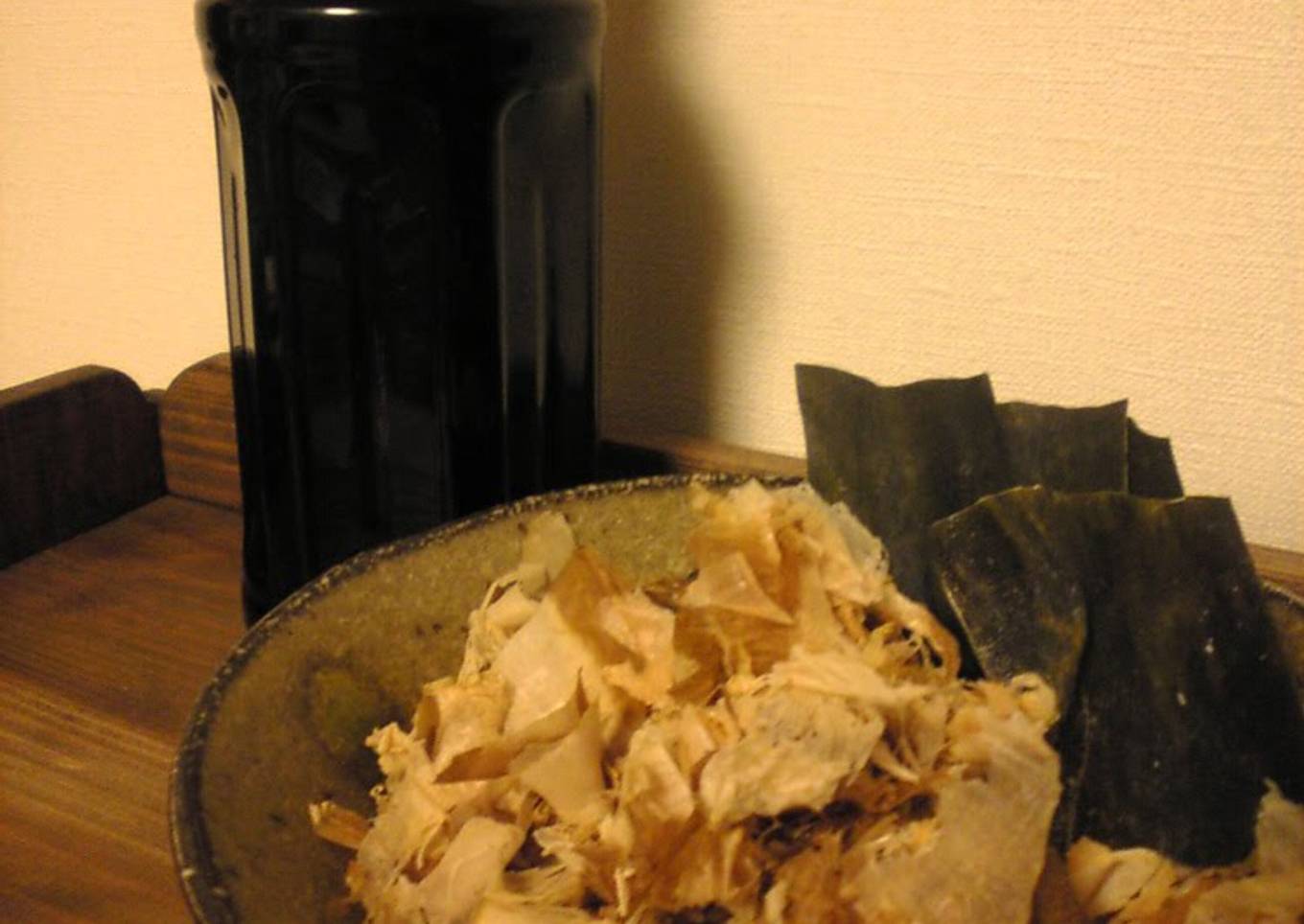
Hey everyone, I hope you are having an incredible day today. Today, I will show you a way to prepare a distinctive dish, Steps to Prepare Award-winning All-Purpose Traditional Japanese Sauce (Dashi Soy Sauce). One of my favorites food recipes. For mine, I am going to make it a bit tasty. This will be really delicious.
When it comes to cooking wholesome meals for the families, there's obviously some level of dissention among the ranks. The fantastic news is there are recipes that are very healthy but the wholesome nature of the recipes is significantly concealed. What they do not know in these instances shouldn't attract harm their way (out allergies, which will never be discounted ).
This means that at any particular time on your cooking cycle cycles there is quite probably some one somewhere that is worse or better in cooking compared to you personally. Take advantage of this because the best have bad days in terms of cooking. There are a lot of men and women who cook for different reasons. Some cook as a way to eat and live while others cook because they actually enjoy the process of cooking. Some cook during times of emotional trauma among many others cookout of utter boredom. No matter your reason for cooking or learning to cook you should always begin with the basics.
The first thing you have to learn is the different terminology you'll discover in recipes actually means. There are lots of fresh and at times foreign sounding terms you will see in common recipes. These terms may mean that the gap in recipe failure or success. You need to be able to detect a fantastic section in any inclusive cook book which explains the different definitions for unknown terminology. If you aren't entirely certain what is meant with"folding in the eggs" it really is in your interests to look it up.
Many things affect the quality of taste from All-Purpose Traditional Japanese Sauce (Dashi Soy Sauce), starting from the type of ingredients, then the selection of fresh ingredients, the ability to cut dishes to how to make and serve them. Don't worry if you want to prepare All-Purpose Traditional Japanese Sauce (Dashi Soy Sauce) delicious at home, because if you already know the trick then this dish can be used as an extraordinary special treat.
To get started with this particular recipe, we must prepare a few components. You can cook All-Purpose Traditional Japanese Sauce (Dashi Soy Sauce) using 6 ingredients and 4 steps. Here is how you can achieve it.
I learned this from a friend who is a great cook, and have been using it every since. I modified the amounts so that it's easy to make. If you store the sauce in an airtight container in the refrigerator, it will keep for a long time, so there's no need to worry about a best-by date. Combine with sugar and reduce to make a sweet-savory sauce. Add vinegar to make a dipping sauce for gyoza dumplings. Dilute with water, add a little mirin and salt and bring to a boil to make a noodle soup for udon or soba. You can use it generously in simmered dishes as well. Recipe by Kinakorin
Ingredients and spices that need to be Prepare to make All-Purpose Traditional Japanese Sauce (Dashi Soy Sauce):
- 300 ml Soy sauce
- 300 ml Sake
- 200 ml Mirin
- 20 grams Bonito flakes (about 2 big handfuls)
- 10 grams Kombu for dashi stock (about 4 to 5 10 cm x 3 cm pieces)
- 1 Shredded nori seaweed, white sesame seeds (for the furikake)
Instructions to make to make All-Purpose Traditional Japanese Sauce (Dashi Soy Sauce)
- Put all the ingredients except the nori seaweed and sesame seeds into a pan and turn on the heat. Once it comes to a boil, turn the heat down to low and simmer. Continue simmering for 15 to 20 minutes until the liquid has reduced by 2/3.

- Take the pan off the heat, and let cool. When it's cooled, strain it through a fine meshed sieve or paper towels. You'll end up with about 500 ml of dashi.

- How to reuse leftover bonito flakes: Spread it out on parchment paper-lined baking sheet. Bake in an oven preheated to 195-210°F/90-100°C. Around the time you've forgotten about it, it will be nicely dried (about 1 hour). P.S. Be careful not heat the oven too high, this will dry out the flakes. You can also dry-roast in a frying pan.

- Add finely shredded nori seaweed and white sesame seeds, for gorgeous, delicious bonito flake furikake! Store in an airtight container in the refrigerator. I recommend eating this with rice! It's so good!

It's those small steps you take towards your goal of cooking healthy foods for your family that will matter far greater than any creature leap. Before you understand it you will discover that you all have more energy and a better sense of general wellbeing than you would have imagined before changing your eating customs. If that is not sufficient to encourage you nevertheless, you can check out the excuse to shop for new clothes after you lose a size or 2.
So that is going to wrap it up for this exceptional food Recipe of Homemade All-Purpose Traditional Japanese Sauce (Dashi Soy Sauce). Thanks so much for your time. I am sure you will make this at home. There is gonna be interesting food in home recipes coming up. Remember to bookmark this page on your browser, and share it to your loved ones, friends and colleague. Thanks again for reading. Go on get cooking!
)
Post a Comment for "Recipe of Homemade All-Purpose Traditional Japanese Sauce (Dashi Soy Sauce)"